Rethinking Your Home’s Thermal Core
Living in London means living with a climate that refuses to play by the rules. One moment you are enjoying a mild breeze; the next, a biting chill demands immediate attention from your heating infrastructure. For property owners across the capital, whether you are managing a sprawling Victorian terrace or a modern apartment block, the reliability of your gas and heating systems is the bedrock of your daily comfort. It is not merely about staying warm during the peak of winter; it is about safeguarding your household against the silent dangers of gas leaks and carbon monoxide.
The challenge of maintaining a home in this bustling metropolis is unique. Older properties, with their quirks and historical quirks, often demand a more nuanced approach than new builds. Navigating these requirements goes beyond simple repairs; it requires a proactive, informed strategy that respects current safety regulations while optimizing for efficiency. This guide is designed to empower you with the knowledge to keep your property secure, cost-effective, and comfortable, regardless of the weather outside.
The Non-Negotiable Priority: Gas Safety
Gas safety is not just a checkbox on a landlord’s to-do list; it is the fundamental duty of care for every homeowner. In the United Kingdom, the regulations governing gas appliances are rigorous, primarily dictated by the Gas Safety (Installation and Use) Regulations. For landlords, conducting annual safety checks by a Gas Safe registered engineer is a legal mandate. However, the importance of these checks extends far beyond compliance. For owner-occupiers, these inspections are vital for protecting your family from invisible threats.
Carbon monoxide (CO) is a silent killer. It is an odorless, colorless gas produced by the incomplete combustion of fuels like gas, oil, and wood. Faulty appliances are the usual culprits behind dangerous CO leaks. While installing carbon monoxide alarms is a simple, life-saving measure, it is not a substitute for professional maintenance. Regular servicing of your boiler, cooker, and fireplaces ensures they are burning fuel correctly and not leaking harmful gases into your living space.
For those seeking comprehensive guidance on maintaining these critical systems, resources like GES London's expert insights provide valuable information on best practices for household gas safety. Being able to spot the warning signs of a faulty appliance—such as a lazy yellow flame instead of a crisp blue one, excessive condensation on windows, or unusual soot stains—can empower you to act before a minor glitch escalates into a major crisis.
The Boiler: Keeping the Heart of Your Home Beating
If your home has a heartbeat, it is the boiler. Whether you rely on a compact combi boiler, a system boiler, or a traditional conventional model, its health dictates your comfort levels. A neglected boiler is a money pit; it guzzles energy, driving up your utility bills, and is far more likely to break down when you need it most.
To keep your boiler running smoothly, a disciplined maintenance routine is essential. Here are the key tasks that professionals prioritize:
- Annual Servicing: Never skip this. A qualified engineer must inspect your boiler every year. This service involves checking for gas leaks, inspecting the flue for proper ventilation, and cleaning internal components to ensure optimal performance.
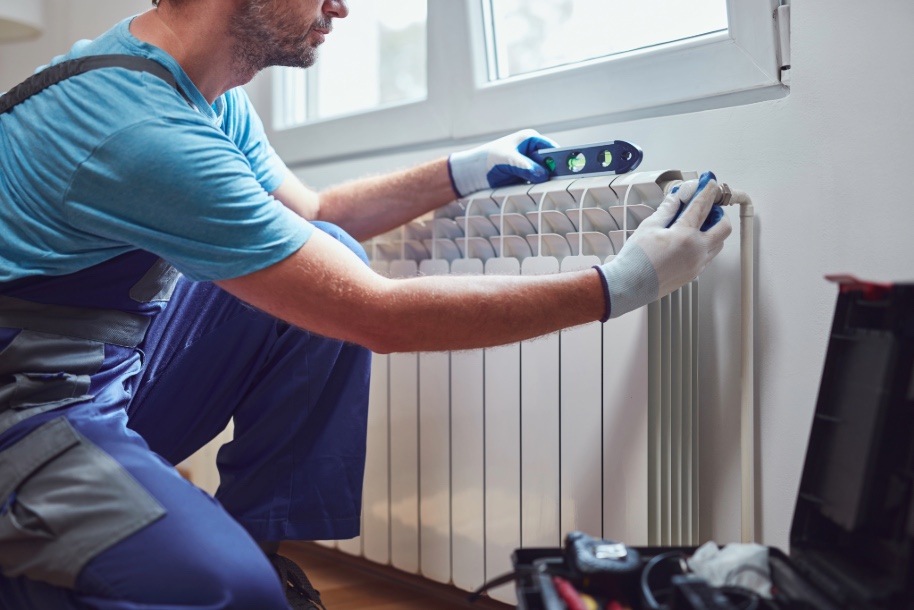
- Bleeding Radiators: Over time, air pockets can form within your radiators, leading to cold spots and inefficient heating. Bleeding them releases this trapped air, restoring even heat distribution and boosting system efficiency.
- Pressure Checks: For system and conventional boilers, maintaining the correct water pressure is crucial. Ideally, the pressure should sit between 1 and 1.5 bars when the system is cold.
- Filter Maintenance: Modern boilers often feature built-in filters that can become clogged with debris over time. Regularly cleaning or replacing these filters prevents blockages and maintains steady water flow.
By sticking to a strict maintenance schedule, you extend the lifespan of your boiler and avoid the panic and expense of emergency call-outs. Furthermore, keeping a detailed log of all maintenance and repairs is invaluable when selling your property, as it serves as proof of diligent home care.
Embracing Energy Efficiency
The housing sector is undergoing a significant transformation. With energy costs soaring and environmental awareness growing, homeowners are increasingly focused on reducing their carbon footprint and utility bills. Efficient heating systems are at the forefront of this shift.
To maximize your home’s efficiency, consider these upgrades:
- Thermostatic Radiator Valves (TRVs): These allow you to control the temperature in individual rooms, ensuring you aren’t heating empty spaces.
- Smart Thermostats: These intelligent devices learn your daily routines and adjust the heating automatically, saving energy when you are out or asleep.
- Insulation: Properly insulating walls, lofts, and pipes is essential for retaining heat. A well-insulated home requires significantly less energy to maintain a comfortable temperature.
- Pipeline Insulation: Insulating hot water pipes reduces heat loss as water travels from the boiler to your taps, ensuring hot water arrives faster and with less wasted energy.
Investing in these energy-efficient upgrades pays off financially. Many homeowners find that the return on investment is realized within a few years through substantial reductions in their monthly energy bills.
Selecting the Right Professional
When it comes to gas and heating work, the choice of professional is critical. In the UK, all gas work must be performed by a Gas Safe registered engineer. This registration guarantees that the engineer possesses the necessary qualifications and training to handle gas appliances safely.
When vetting engineers, look for the following:
- Gas Safe Registration: Always verify the engineer’s registration status online using their registration number.
- Reputation and Reviews: Seek out engineers with positive feedback and a strong local reputation. Personal recommendations are often the most reliable guide.
- Insurance Coverage: Ensure the engineer holds adequate public liability insurance. This protects you against accidental damage to your property during the work.
- Transparent Pricing: A reputable engineer will provide a clear, upfront quote before starting any work. Be cautious of those who offer vague estimates or surprise you with high fees later.
For residents in London, finding a reliable engineer can be daunting due to high demand. However, by thoroughly researching and verifying credentials, you can ensure you are in safe hands. Platforms and directories that vet professionals, such as those reviewed by GES London, can help streamline this process and connect you with trusted experts.
Navigating Heating Emergencies
Even with the best maintenance, systems can fail. Knowing how to respond to a heating emergency can minimize stress and prevent further damage to your property.
If you suspect a gas leak or boiler malfunction:
- Turn Off the Supply: Immediately shut off the gas supply at the meter or the isolation valve near the boiler.
- Ventilate: Open all windows and doors to allow fresh air to circulate, especially if you smell gas or suspect a carbon monoxide leak.
- Call a Professional: Contact a Gas Safe registered engineer immediately. Do not attempt to fix the issue yourself unless you are fully qualified.
- Check Your Insurance: Many home insurance policies cover emergency heating repairs. Review your policy to understand your coverage.
Having a trusted engineer’s number saved in your phone can make all the difference in an emergency. It ensures you can get help quickly, minimizing the time your home is left without heat.
The Future of Heating in London
As technology evolves, so does the way we heat our homes. The integration of smart home technology and the push for renewable energy are shaping the future of heating systems. Heat pumps, solar thermal systems, and biomass boilers are becoming increasingly popular alternatives to traditional gas boilers.
Keep an eye on these emerging trends:
- Hybrid Systems: Combining gas boilers with heat pumps offers a flexible solution, allowing you to switch between energy sources based on efficiency and cost.
- AI-Driven Control: Artificial intelligence is being used to optimize heating schedules and temperatures, further reducing energy consumption.
- Government Incentives: The UK government continues to introduce schemes to encourage the adoption of low-carbon heating technologies, such as the Boiler Upgrade Scheme.
Staying informed about these trends helps homeowners make future-proof decisions. Whether you are installing a new system or upgrading an existing one, considering these emerging technologies can lead to long-term savings and environmental benefits.
Final Thoughts
Maintaining your home’s gas and heating systems is a responsibility that demands knowledge, vigilance, and professional support. By prioritizing gas safety, regular maintenance, and energy efficiency, London homeowners can enjoy a comfortable, safe, and cost-effective living environment. The complexity of modern heating systems and the stringent regulations surrounding gas work make it essential to work with qualified professionals.
Whether you are dealing with an emergency repair, planning an upgrade, or simply looking to improve your home’s efficiency, the resources and expertise available in London are robust. From understanding the basics of boiler maintenance to exploring the latest in smart heating technology, being an informed homeowner is the first step towards long-term comfort and safety. Remember, a well-maintained heating system is not just about warmth; it is about security, efficiency, and peace of mind for you and your family.